

Human food is not always good for our feline friends.
Cats are known for enjoying a sip of dairy milk, but can cats have coconut milk? Let’s dive into whether this tropical treat is safe for your cat.
What Exactly Is Coconut Milk?
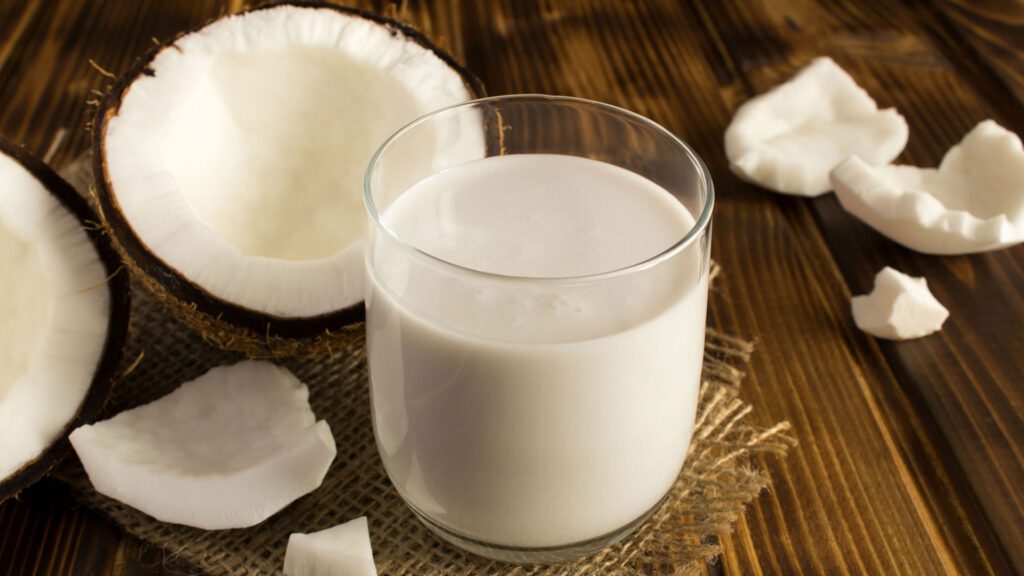
The brown, hairy coconut is the type of coconut that is used to make coconut milk. It is different from the clear, sweet liquid you sip from a straw in green coconuts.
The process begins with grating the white part inside the brown coconut, known as the flesh. This flesh is then mixed with water, creating a mixture that is then squeezed through a filter.
What you get is a thick, white liquid that’s full of natural oils and fats, giving it a rich texture and flavor.
Types of Coconut Milk
When shopping for coconut milk, you might come across different types, such as full-fat and light versions.
Full-fat coconut milk is the standard, unaltered product that’s very creamy.
Light coconut milk is simply the full-fat version that’s been diluted with water. It’s important to shake the can before opening, as the fat can separate and rise to the top.
Is Coconut Milk Safe For Cats?
When you give your cat coconut milk, you might think you’re treating them to a tasty snack. However, this creamy drink isn’t a good choice for your feline friend.
It may not be poisonous but it has several drawbacks. Here’s why feeding coconut milk to your cat isn’t ideal.
Upset Stomach
Cats can have a tough time with coconut milk, and it can cause unpleasant reactions like vomiting and diarrhea.
These symptoms occur because cats have a sensitive stomach. While this milk does not contain lactose, cats cannot handle the rich fats and oils properly.
Cats are obligate carnivores, which means that they need to consume meat and cannot survive on fruits, vegetables, or plants. This is also why they can upset their stomach.
Weight Gain
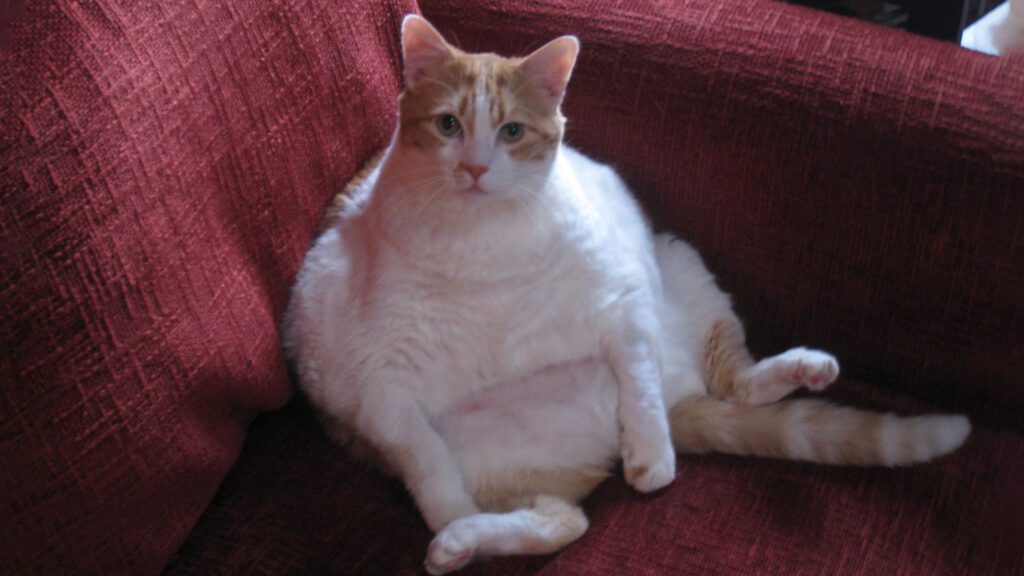
Moreover, coconut milk can be a sneaky source of extra calories due to being high in fat. Cats don’t need a lot of calories in their diet, and too many can lead to weight gain and even obesity.
Over time, if a cat becomes overweight, it can face a higher risk of serious health problems, such as diabetes or joint issues. Therefore, it’s important to monitor your pet’s diet closely and avoid high-calorie foods like coconut milk.
Added Sugars
Another thing to watch out for is added sugars in coconut milk. These are bad news for cats. Not only do they contribute to weight gain, but they can also cause dental problems and even lead to diabetes.
Can Cats Eat Coconuts?

So, Coconut Milk is off-limits for your feline friend. But can you feed your cats with coconut meat, coconut oil, or coconut water?
Coconut Meat
Coconut meat is sometimes used in commercial cat food. Shredded coconut flakes or coconut shavings are safe in smaller amounts. It should not make up a significant portion of their diet.
Coconut meat is high in fat and can lead to gastrointestinal upset if given in excess. In moderation, it can provide some health benefits for cats, such as improving skin and coat health due to its high levels of healthy fats.
Coconut Water
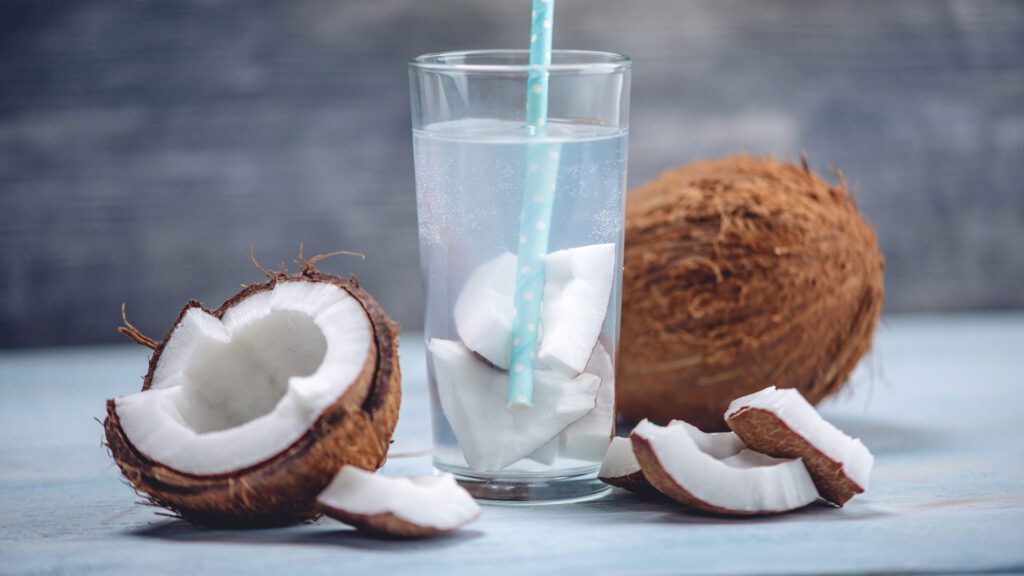
When it comes to giving your kitty some coconut water, it’s best to err on the side of caution.
While coconut water is generally safe for cats to consume in small amounts, it can be high in potassium. Too much potassium can lead to a condition called hyperkalemia.
Hyperkalemia can slow your cat’s heart rate and cause digestive problems.
Coconut Oil
When applied topically, coconut oil can help improve the condition of a cat’s skin and coat, making it shinier and healthier.
Additionally, when ingested in small amounts, coconut oil can aid in digestion and improve the immune system of cats. Its antimicrobial properties can also help fight off infections and parasites.
Other Coconut-Based Food
Other coconut-based foods such as coconut cream, coconut ice cream, or coconut yogurt are not recommended for cats as a regular part of their diet. The potential risks of upsetting your cat’s stomach are quite high.
Talk To Your Vet

While we’ve established that coconut milk and other coconut-based products aren’t good for cats (other than in small portions), it’s best if you consult your vet to decide what amount is best for your kitten.
Final Thoughts on Coconut Milk and Cats
While small amounts of coconut milk are not toxic to cats, it’s best to avoid it and stick to fresh, clean water. Natural, unprocessed forms of coconut are generally safe to give to felines.
Always consult your veterinarian before introducing new foods into your cat’s diet to ensure their health and happiness.


